From Search To Discovery: Why SEO Must Evolve Beyond The SERP
Originally published on Search Engine Journal
The Search landscape is witnessing its biggest shift in a generation. If you’ve been in SEO long enough to remember the glory days of the all-organic SERP, you’ll know how much of this real estate has been gradually taken over by paid ads, other first party products, rich snippets, and now the most aggressive transition of the SERP: AI Overviews (as well as search-based LLM platforms). At BrightonSEO last month, I explored how this evolution is forcing us to rethink what SEO means and why discoverability, not just ranking, is the new north star.
The “Dawn” of the Zero-Click is over: it’s now assumed
We’ve been reading about the rise of zero-click searches for some time now, but this “takeover” has been much more noticeable over the past 12 months. I recently searched “how to teach my child to tell the time,” and after scrolling through a parade of paid product ads, Google-owned assets, and the AI Overview summaries, I scrolled a good three pages down the SERP.
Google and other search and discovery platforms want to keep users in their ecosystems. For SEOs, this means traditional metrics such as CTR are becoming less valuable by the day.
From Answer Engines to Assistant Engines
LLMs have changed not just the way a result is displayed to the user but also the traditional search flow born within the browser into a multi-step flow that the native SERP simply cannot support in the same way. The research process is collapsing into a single, seamless exchange.
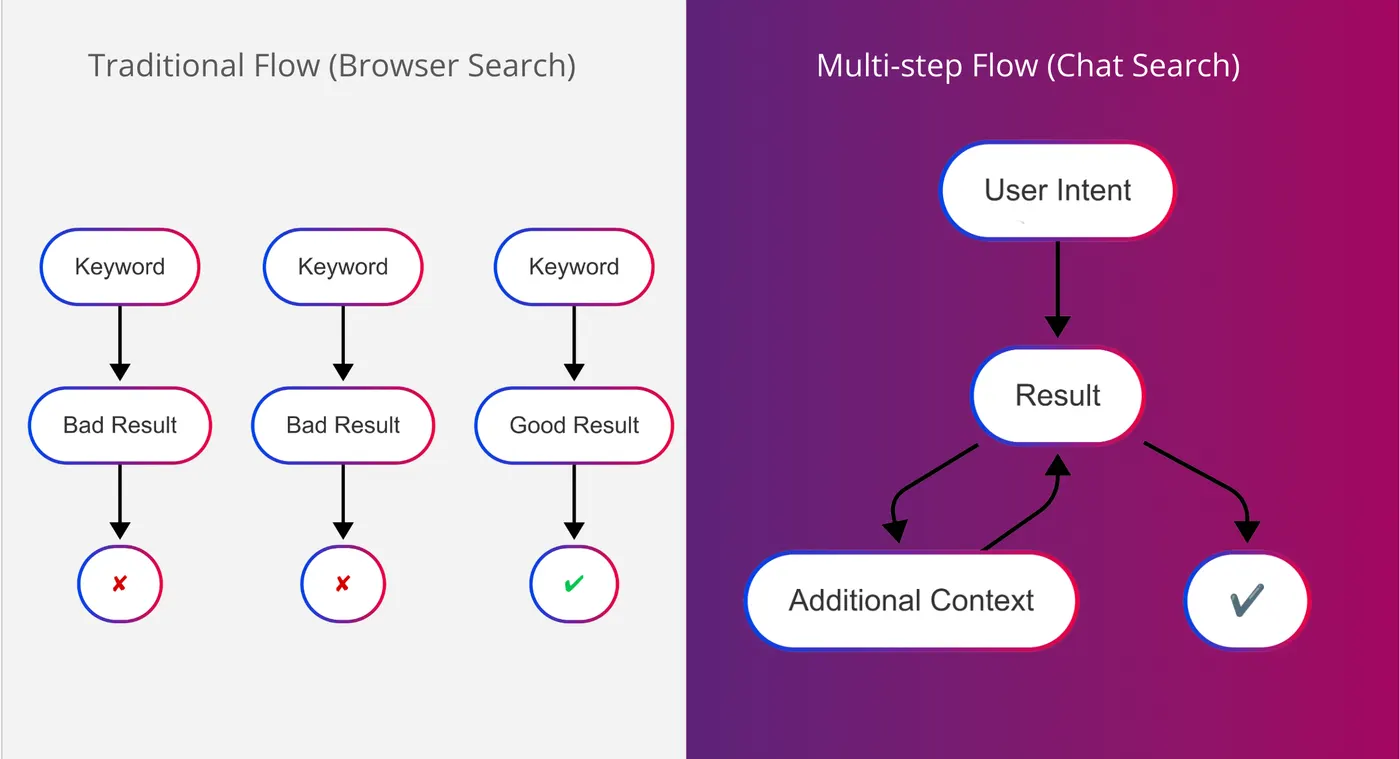
Image used with permission from Alain Schlesser, May 2025
But as technology accelerates, our own curiosity and research skills are at risk of declining or disappearing completely as the evolution of technology exponentially grows.
Assistant engines and wider LLMs are the new gatekeepers between our content and the person discovering that content, our potential “new audience.” They parse, consume, understand, and then synthesise content, which is the deciding factor in what it mentions to who/what it interacts with. Structured data is still crucial, as context, transparency, and sentiment matter more than ever.
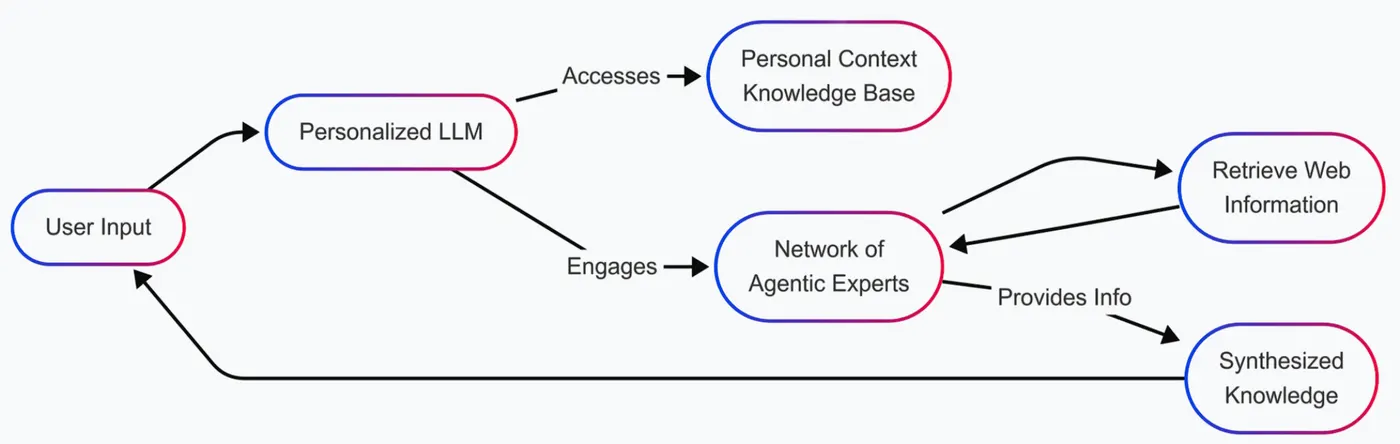
Personal LLM agent flow diagram by Alain Schlesser, used with permission, May 2025
Challenges are Different, but also the Same
As an SEO, our challenges with this new behaviour affects the way we do (and report on) our jobs. In reality, many are just old headaches in shiny new wrappers:
- Attribution is a mess: With AI Overviews and LLMs synthesising content, it’s harder than ever to see where your traffic comes from, or if you’re getting any at all. There are some tools out there that do monitor, but we’re in the early days to see a standard. Even Google said they have no plans on adding insights on AIO within Search Console.
- Traffic is fragmenting (again): We saw this with social media platforms at the beginning, where discovery happened outside the organic SERPs. Discovery is now happening everywhere, all at once. With attribution also harder to ascertain, this is a bigger challenge today.
- Budgets are under scrutiny from FUD: The native SERP is changing too much, so some may assume there’s less (or no) value in doing SEO much anymore (untrue!)
The Shift of Success Metrics
The days of our current success metrics are dwindling. The days of vanity-led metrics are coming to an end. Similar to how our challenges are the same but different, this also applies to how we redefine success metrics:
| Old Hat | New Hat |
|---|---|
| Content | Context + sentiment |
| Keywords | Intent |
| Brand | Brand + sentiment |
| Rankings | Mentions |
| Links from external sources | Citations across various channels |
| SERP monopoly | Share of voice |
| E-E-A-T | E-E-A-T |
| Structured data | Entities, knowledge graph & vector embeds |
| Answering | Assisting |
What can you do about it?
Information can be aggregated, personality can’t. This is why it’s still our responsibility to help “assist the assistant” to consider and include you as part of that aggregated information and synthesised answer.
- Stick to the fundamentals: never neglect SEO 101
- Third party perspective is increasingly important, so ensure that this is maintained and managed well to ensure positive brand sentiment.
- Embrace structured data: Even if some say it’s becoming less crucial for LLMs to understand entities, structured data is being used right now inside major LLMs to output structured data within responses, giving them an established and standardised way to understand your content.
- Educate stakeholders: Shift the conversation from rankings and clicks to discoverability and brand presence. The days of the branded unlinked mention suddenly has more value than “acquiring X followed non-branded anchor text links pcm”.
- Experiment with your content: Try new ways to produce and market your content beyond the traditional word. Here, video is useful not only for humans but also for LLMs, who are now “watching” and understanding them to aid their response.
- Create helpful, unique content: To add to the above, don’t produce for the sake of production.
LLMs.txt: the potential to be the new standard
Keep an eye on emerging standards proposals such as llms.txt is one way some are adapting and contributing to how LLMs ingest our content beyond our traditional approaches offered with robots.txt and XML sitemaps. Whilst some are sceptical about this standard, I believe it is still something worth implementing. There is (virtually) non-existent risk in implementing something that doesn’t take too much time or resource to produce.
Conclusion
SEO isn’t dead. It’s expanding, but at a rate we haven’t experienced before. Discoverability is the new go-to success metric, but it’s not without flaws, especially as the way we search continues to change. This is no longer about “ranking well” anymore. This is now about being understood, surfaced, trusted and discovered across every platform and assistant that matters. Embrace and adapt to the changes, as it’s going to continue for some time.